How to Start a Trucking Company in New Jersey: 10 Steps
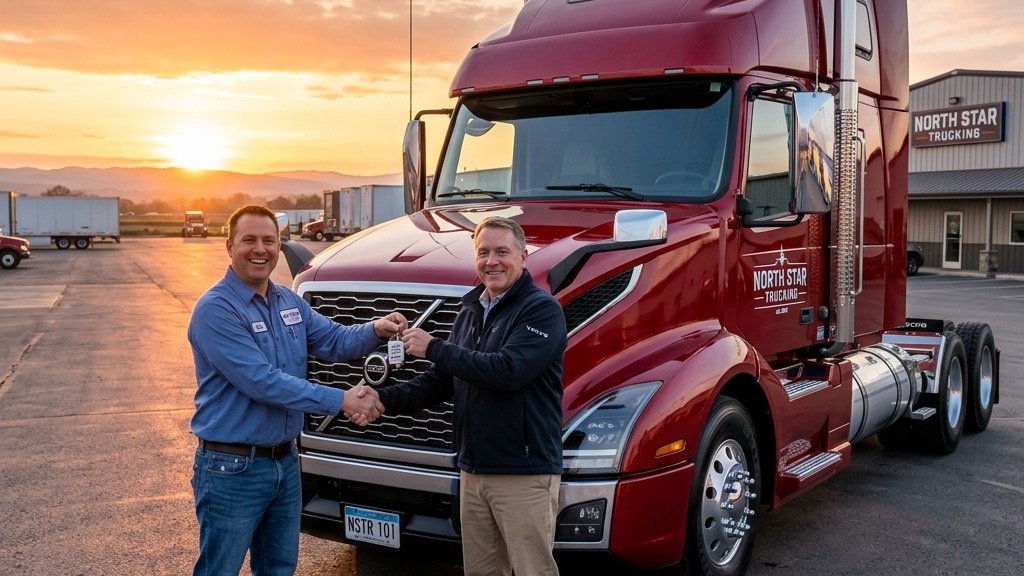
To start a trucking company in New Jersey, define your operation first, form and register the business, obtain its EIN and complete the transport registrations that apply. Forming an LLC does not authorize hauling. Before starting, check the business, operating authority, vehicle, driver, insurance and route permits separately.
Scope: this guide focuses on a New Jersey-based freight carrier. Entity, tax and vehicle procedures differ in other states. Passenger service, household goods and hazardous materials require a separate review.
Step 1. Define your operation before applying
Your operating model determines the filings. Record your base state, cargo, routes, equipment, axle count, weight and drivers.
- Your own authority: your company contracts for transport and assumes carrier responsibilities. Determine whether federal operating authority is required.
- Leasing on to another carrier: document who provides plates, insurance, permits and safety controls. A lease agreement does not remove every responsibility.
- Private carriage: hauling your own business's goods differs from hauling another party's regulated cargo for compensation; safety rules can still apply.
- Intrastate or interstate: examine the operation and the shipment's movement, not simply whether one trip crosses a border.
Completion check: a consistent description you can give the state, insurer and FMCSA.
Step 2. Form and register your New Jersey business
Choose the structure before forming the entity. An LLC or corporation is not a universal choice. Review ownership, liability and tax treatment with appropriate advisers. Check name availability, file formation documents and retain the confirmation. An out-of-state entity may need authorization to do business in NJ.
Use NJ Treasury's registration guidance and the official trucking starter kit. Completion check: a documented legal name and structure used consistently in later applications.
Step 3. Obtain the federal EIN and complete NJ-REG
The IRS EIN is the business's federal tax identifier. IRS instructs a new LLC or corporation to form with the state before applying. Then review New Jersey tax and employer registration through NJ-REG for your activities. Keep confirmations, establish business banking and organize bookkeeping for fuel, maintenance, payroll and taxes.
Completion check: consistent federal and state tax identity. Consult the IRS EIN guidance and NJ Treasury.
Step 4. Obtain the NJ MVC entity number when applicable
The MVC number is different from the IRS EIN. NJ MVC's Entity Identification Number, formerly Corpcode, identifies businesses for vehicle transactions. MVC requires business registration and federal identification before issuing it. Prepare formation or registration evidence, EIN evidence and the signer's identification according to the MVC instructions.
Completion check: business identification for MVC transactions, coordinated with title and registration. See our NJ MVC entity number assistance.
Have an LLC but need to identify the next step? Prepare your legal name, EIN, base state, equipment and planned routes. Request a review of the filings for your operation.
Step 5. Determine USDOT and operating authority requirements
USDOT and MC authority serve different purposes. USDOT identifies the operation for safety oversight. Certain interstate for-hire carriers of regulated freight require operating authority. Owning a truck does not automatically mean every registration applies.
Provide accurate entity, cargo, vehicle and operation details. Access the current registration platform through FMCSA's official registration page and retain control of your account. Completion check: correct registration and an authority application when needed. An assigned number is not proof of active authority. Read our USDOT vs. MC guide.
Step 6. Coordinate insurance filings and BOC-3
An insurance policy and an FMCSA insurance filing are different. For authority applications, the financial responsibility provider submits the required forms. Required coverage depends on cargo, vehicle and authority; customer requirements may also differ from regulatory minimums.
Arrange process-agent designation through BOC-3 when applicable. Match the legal identity in all filings and verify the required authority has been granted and is active before operating under it. Review FMCSA's insurance filing requirements. Completion check: confirmed filings, authority status and effective insurance.
Step 7. Complete vehicle title, registration and plates
Business formation does not register the truck. Review title, ownership, financing or lease, VIN, axles, weight and insurance. Address owner authorization when the registrant differs from the owner.
Determine commercial or apportioned registration based on the vehicle and operation. IRP eligibility includes jurisdiction, weight and axle criteria; not every commercial van or box truck needs IRP. A cab card does not replace an overweight permit. Completion check: credentials matching your actual configuration. See NJ MVC IRP and our NJ and NY apportioned plates guide.
Step 8. Check IFTA, UCR, Form 2290 and route permits
Assess each program separately. Avoid assuming that every carrier needs the same permit package.
- IFTA: fuel tax credentials and reporting for qualifying vehicles and operations.
- UCR: annual registration for entities subject to that program.
- Form 2290: review taxable gross weight of 55,000 pounds or more, first use and applicable filing or suspension rules.
- State requirements: check your routes for New York HUT, Connecticut Highway Use Fee and oversize/overweight permits where applicable.
Completion check: an applicability-based list and a calendar for renewals and returns.
Step 9. Prepare drivers, vehicles and safety records
Safety compliance begins before the first trip. Review driver licensing and qualifications, medical certification when required, driver files, inspections, maintenance, hours of service and ELD applicability. Non-CDL operation does not automatically remove all safety obligations.
For drivers subject to DOT drug and alcohol testing, prepare required tests, queries and records. A covered owner-operator has employer obligations and must designate a C/TPA in Clearinghouse. Check FMCSA employer guidance.
FMCSA describes an 18-month New Entrant period and a safety audit within the first 12 months of operations in its program explanation. Completion check: safety procedures and supporting records from day one. See our New Entrant audit guide.
Step 10. Verify readiness before accepting your first load
Review status, effective dates and operating scope. Submitting, paying and receiving a number are not the same as holding effective authorization.
- Consistent business and tax identity.
- Required active authority and documented operating model.
- Effective insurance and accepted filings when required.
- Qualified driver and properly registered, roadworthy vehicle.
- Applicable plates, cab card, taxes and route credentials.
- Trip, fuel, maintenance and safety recordkeeping ready.
Then review the customer's contract, payment details, cargo documents and service conditions. Price fuel, tolls, maintenance, insurance and working capital before quoting. Active authority does not guarantee broker acceptance or profitability.
What documents should you gather first?
Collect formation documents, federal EIN, state registration, signer identification, actual business address, title or lease, VIN, weight and axles. Add driver, route and cargo details. Agree on a suitable channel for sensitive documents; an initial consultation can begin with a description of the operation.
How much does it cost and how long does it take?
Costs and timing depend on entity, equipment, insurance, authority and permits. Separate agency fees, service fees, equipment costs, insurance deposits and working capital. Some tasks can run in parallel; others need prior documents. Request an itemized plan rather than relying on a universal startup price or timeline.
Frequently asked questions
Can I haul with only an LLC and EIN?
No. Those establish the business and tax identity. Applicable carrier, insurance, vehicle, driver and route requirements still need to be met.
Are Corpcode and IRS EIN the same?
No. IRS issues the federal EIN; NJ MVC issues its entity identifier for business vehicle transactions.
Does everyone need MC, IRP and IFTA?
No. Cargo, operating model, jurisdictions, vehicle weight and axles affect different requirements.
Should I buy the truck first?
Before committing, confirm equipment suitability and obtain insurance quotes. Vehicle details and documents are necessary for certain applications; coordinate with seller, lender and insurer.
Official sources and update
Reviewed . Agency requirements and registration platforms can change; confirm instructions before filing.
- Business.NJ.gov — Trucking starter kit
- NJ Treasury — Business registration
- IRS — Employer identification number
- NJ MVC — Entity Identification Number
- FMCSA — Getting started with registration
- FMCSA — Insurance filing requirements
- NJ MVC — IRP
- NJ MVC — IFTA
- UCR — Registration applicability
- IRS — Form 2290 instructions
- FMCSA — New Entrant Program
- FMCSA — Clearinghouse employer requirements
Carrier Compliance Advice
Speak directly with our compliance experts in Kearny, NJ.
📞 (862) 350-0159Main Headquarters
Kearny, New Jersey
Mon - Fri: 8:00 AM - 7:00 PM, Sat: 9:00 AM - 3:30 PM
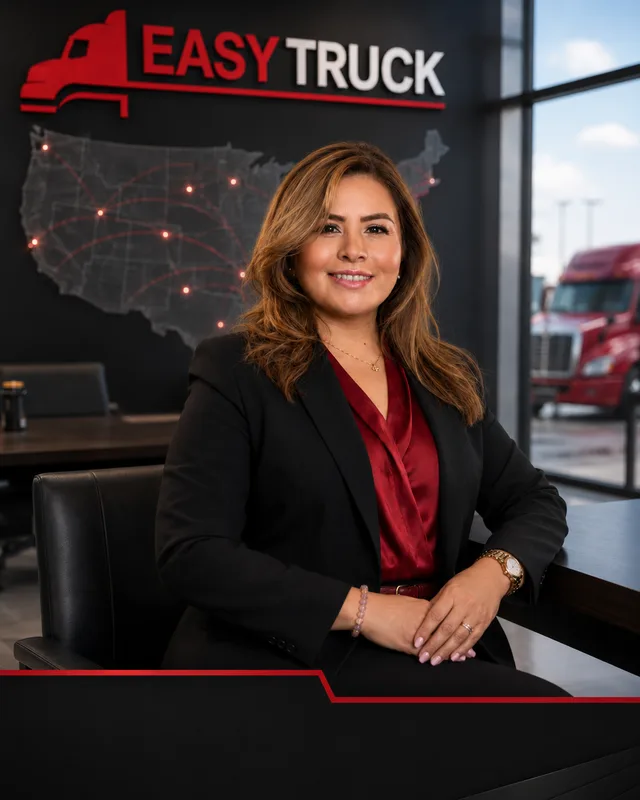
Bilingual guidance for your next step
Verónica Vanessa Quevedo
Owner and Managing Executive · Easy Truck Solutions
Not sure which filing applies, what documents you need, or where to start? Verónica and the Easy Truck Solutions team can help you understand your situation and organize the next steps, in English or Spanish.
Tell us where your company is based, the type of truck you operate and what you need to resolve. You can start with a call, a WhatsApp message or an appointment.
Request Compliance Consultation
Enter your details and a trucking compliance specialist will contact you immediately.