USDOT vs. MC Authority: Differences and Application Steps
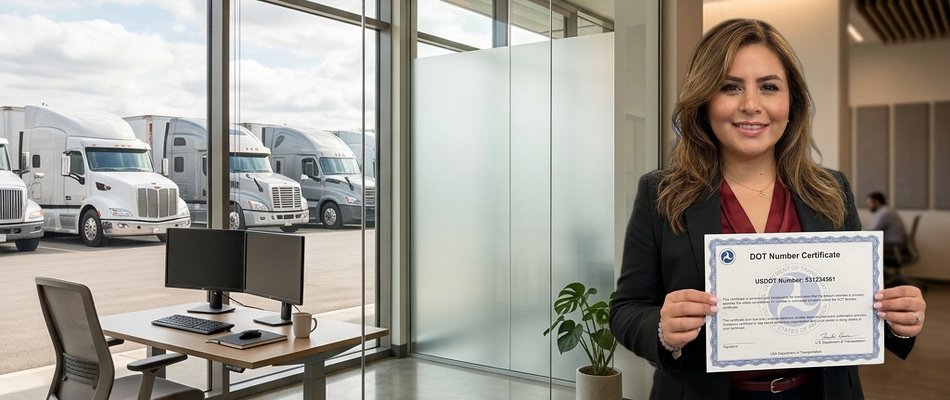
USDOT identifies an entity for safety oversight; federal operating authority covers specific commercial activities. Receiving an MC number does not prove active authority. Determine your cargo, customers, routes and operating model before applying, then verify the status and requirements of each registration.
1. Separate identification from operating authority
| Record | Purpose | Does not replace |
|---|---|---|
| USDOT | Identifies the entity for safety records and oversight | Required operating authority. |
| MC / operating authority | Covers activities requiring federal authority | Plates, IFTA, insurance or state permits. |
System displays and identifiers can evolve through FMCSA modernization. Distinguish an identifier, pending application and granted authority; authorized activity and current status matter.
2. Classify the actual operation
Document own cargo versus customer cargo, compensation, commodity and interstate commerce. Include vehicle weight and configuration. FMCSA lists an over-10,000-pound interstate vehicle criterion and separate passenger and hazardous-material criteria for USDOT; state requirements can also apply.
Evaluate operating authority for covered interstate for-hire activities and exceptions such as certain exempt commodities. A local route or light truck alone does not answer every applicability question.
3. Decide on your operating model
Operating under your own authority places the corresponding carrier responsibilities on your company. If leasing on to another carrier, document responsibility for insurance, plates, permits and safety. Do not assume every owner-operator needs a separate MC application. Passenger, household-goods and hazardous-material operations need a specific review.
4. Complete the application and required filings
- Align legal name, address and entity details.
- Use the current system linked from FMCSA.
- Select registrations matching your activity.
- Coordinate required insurance filings and BOC-3.
- Respond to notices and retain confirmations.
An insurance policy does not automatically establish an accepted federal filing. The financial responsibility provider submits the applicable forms. Coverage depends on the operation; a single insurance minimum is not suitable for every carrier.
5. Verify status and maintain the record
Check the official record for required active registrations and authority, with effective insurance and agent designation when applicable. A payment receipt or assigned number alone does not authorize a load.
Prepare safety controls and state credentials next. Our NJ startup guide connects the business, vehicle and first-load steps. Existing entities should use the update or additional-authority procedure rather than creating duplicate registrations.
Frequently asked questions
Are USDOT and MC plates?
No. Vehicle registration is separate from the entity's federal records.
Does an assigned MC prove active authority?
No. Verify granted authority, status and required filings.
Does private carriage always need MC?
It differs from compensated hauling of another party's regulated cargo. USDOT and safety requirements may still apply.
Official sources and update
Reviewed . Confirm current agency instructions before filing.
Carrier Compliance Advice
Speak directly with our compliance experts in Kearny, NJ.
📞 (862) 350-0159Main Headquarters
Kearny, New Jersey
Mon - Fri: 8:00 AM - 7:00 PM, Sat: 9:00 AM - 3:30 PM

Bilingual guidance for your next step
Verónica Vanessa Quevedo
Owner and Managing Executive · Easy Truck Solutions
Not sure which filing applies, what documents you need, or where to start? Verónica and the Easy Truck Solutions team can help you understand your situation and organize the next steps, in English or Spanish.
Tell us where your company is based, the type of truck you operate and what you need to resolve. You can start with a call, a WhatsApp message or an appointment.
Request Compliance Consultation
Enter your details and a trucking compliance specialist will contact you immediately.